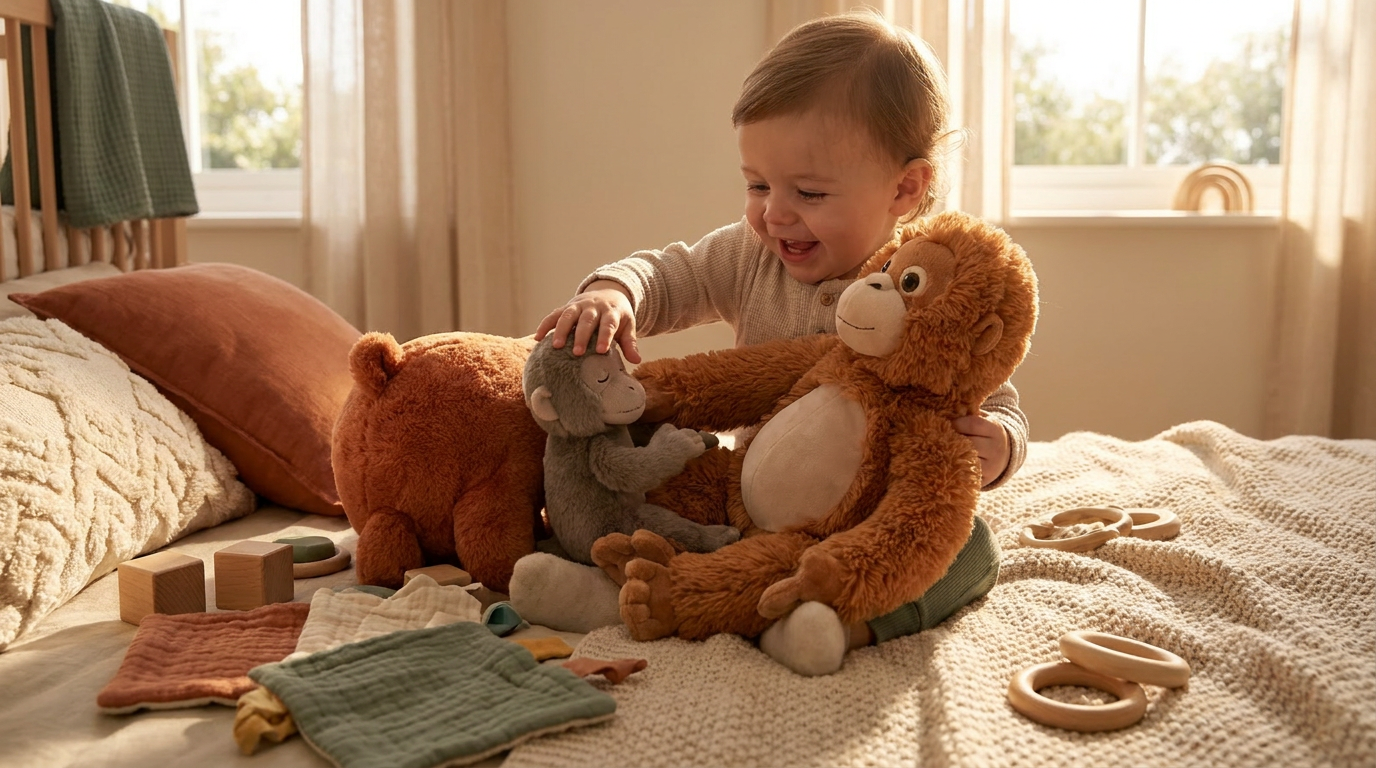
The Flaw in Calming Sensory Monkey Plush Toys
Forget 'calming'—the most effective sensory monkeys give children a dedicated outlet to physically express frustration, not just suppress it. The conventional wisdom says sensory plush toys should soothe with soft textures, weighted fillings, or calming scents. This model, however, fundamentally misunderstands the needs of high-energy children, offering a passive solution for an active problem. A toy that only provides comfort fails to equip a child with the tools to process big, physical feelings like anger or frustration, leaving them without a constructive way to manage their impulses.
The Failure of Passive Comfort Toys
Passive sensory toys—those designed purely for cuddling or gentle tactile input—often fall short. For a child experiencing a surge of energy or frustration, a soft, static object is an insufficient outlet. It does not provide the necessary feedback to help them understand and channel their physical state. The goal should not be to suppress these feelings, but to give them a physical vocabulary. Providing a toy that can be squeezed or held is a one-dimensional approach that ignores the proprioceptive system's need for input through resistance and movement. This system is key for body awareness and self-regulation, as noted by institutions like the Child Mind Institute. Passive toys leave this developmental need unmet.
Reactive Play Builds Emotional Intelligence
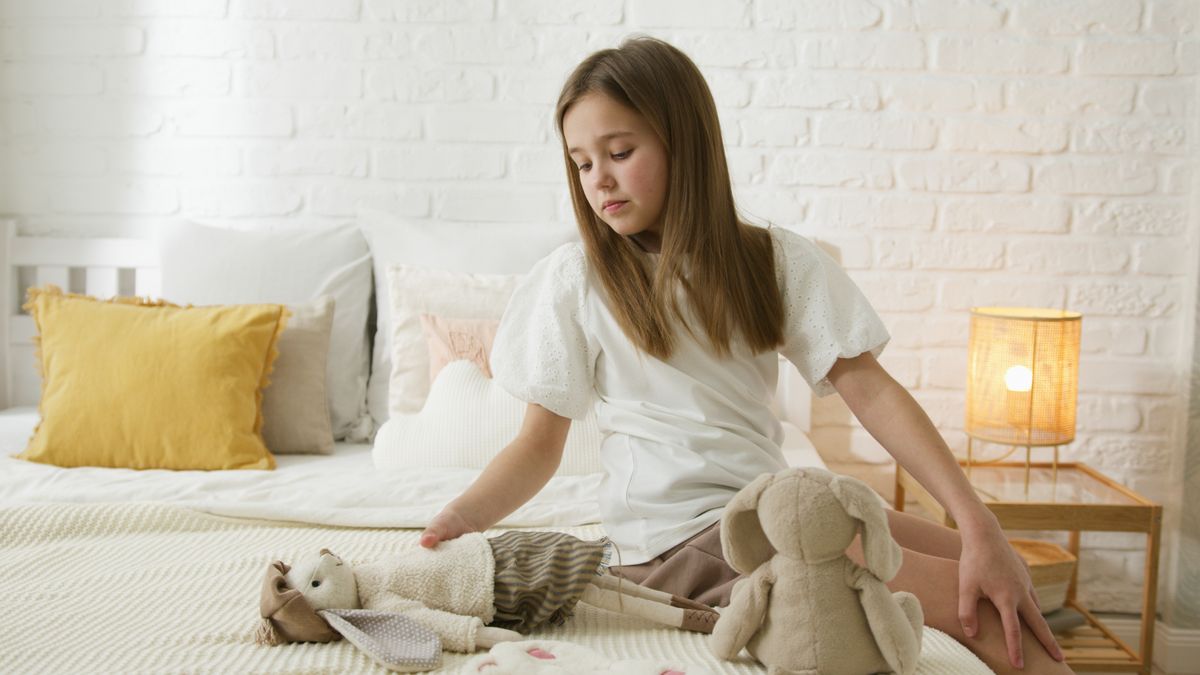
Photo by Artem Podrez on Pexels
Here's the part nobody talks about: a toy's ability to react to physical force is a critical feature for emotional development. A reactive toy with built-in resistance, like one with boxing gloves, creates a direct feedback loop. It teaches a child that their physical impulses have a tangible, predictable, and non-destructive effect. This interaction is not about aggression; it's about channeling. When a child can safely punch a toy and see it bounce back, they learn to manage the intensity of their actions. This physical dialogue gives form to abstract feelings, building emotional intelligence by connecting an internal state (anger) with a controlled external action. The mechanics of a modern monkey with boxing gloves toy are specifically engineered for this purpose, a significant departure from the design intent behind purely comforting plushies. The entire story behind the Mama Punch stuffed animal is rooted in this concept of active, responsive play.
I'll change my mind when observational data shows that passive comfort toys reduce destructive outbursts in high-energy children more effectively than toys that provide a dedicated physical outlet. Until then, the focus on 'calming' remains a misinterpretation of the core need.
Can a punching toy really teach emotional regulation?
Yes, by providing a safe, predictable, and non-destructive target for physical impulses. This interaction helps a child connect a physical action (punching) with an internal feeling (frustration), building self-awareness without judgment. The goal is to provide a tool for channeling energy, not just suppressing it, which is a key step in developing self-regulation skills.
Is a sensory monkey plush toy only for quiet time?
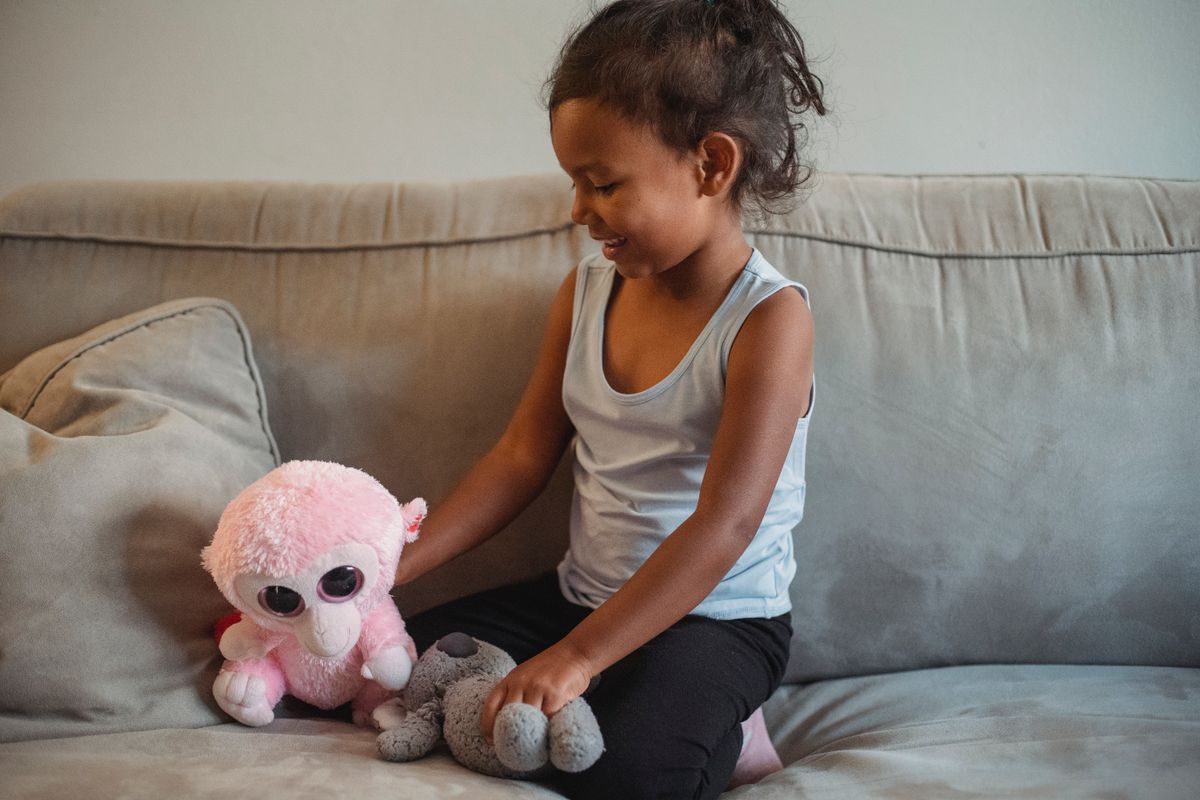
Photo by Kamaji Ogino on Pexels
While many sensory toys are designed for calming and quiet time, this is a limited view. A reactive punch monkey toy is built for active engagement, serving as a tool to expend energy and process frustration before a child is ready to transition to a calmer state. It effectively bridges the gap between high-energy play and the need for eventual focus, making it a more versatile developmental tool.